
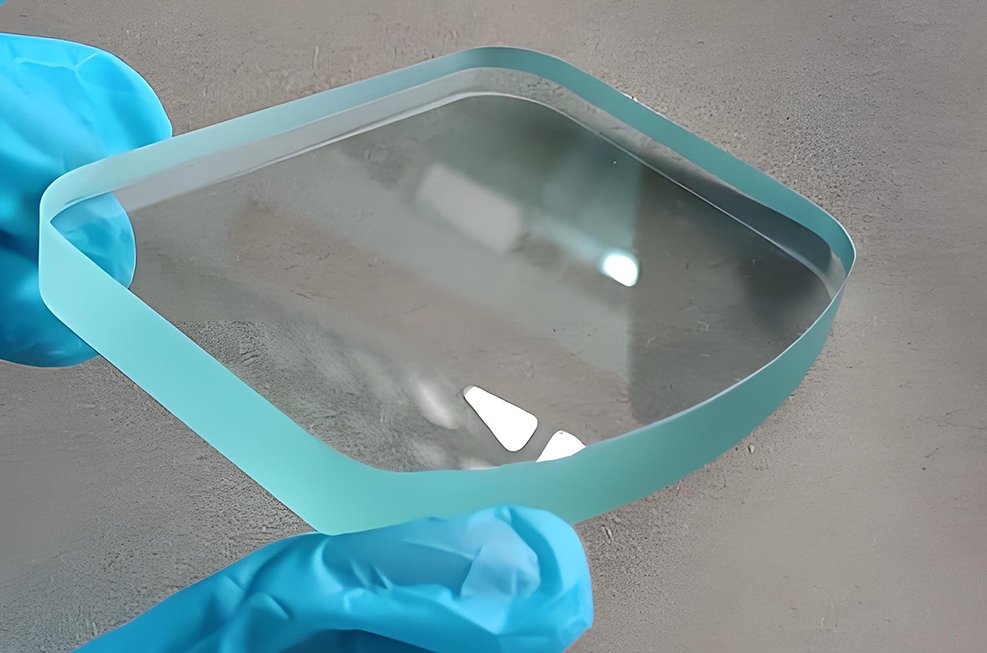
电子玻璃 - 电子产品核心精密配件
电子玻璃是消费电子与智能设备中不可或缺的精密配件,凭借高透光、高硬度、绝缘稳定、耐温耐磨等优势,广泛应用于各类电子产品外观与功能结构件。优质的电子玻璃不仅能提升设备外观质感,更能保障电子设备长期稳定运行,是电子产品生产商刚需的定制配件。我厂专注电子玻璃定制与精密外形加工,为各类电子企业提供一站式加工解决方案。
电子玻璃主要加工工艺
玻璃外形加工与精雕
电子玻璃通常采用异形、小尺寸及超薄结构设计,对加工精度要求严格。我们可提供CNC精雕、异形切割、倒角、开孔及微孔加工,满足不同电子产品结构需求。
AG、AR与AF表面处理
为了提升显示效果与触控体验,电子玻璃常采用AG防眩光、AR增透及AF防指纹工艺。AG工艺能够降低屏幕反射,AR镀膜可提高透光率,而AF工艺则能减少指纹残留,使电子玻璃更加清晰耐用。
热弯与钢化工艺
随着曲面屏与一体化设计的发展,热弯电子玻璃应用越来越广泛。通过高温热弯加工,可实现复杂曲面结构。同时结合钢化处理,提高电子玻璃的抗冲击能力与安全性能。
无尘丝印与透光控制
电子玻璃广泛应用于触控按键、LOGO显示及隐藏式灯光区域。通过无尘丝印与透光控制方案,可实现黑色隐藏效果与精准透光设计,提升产品科技感与整体视觉效果。
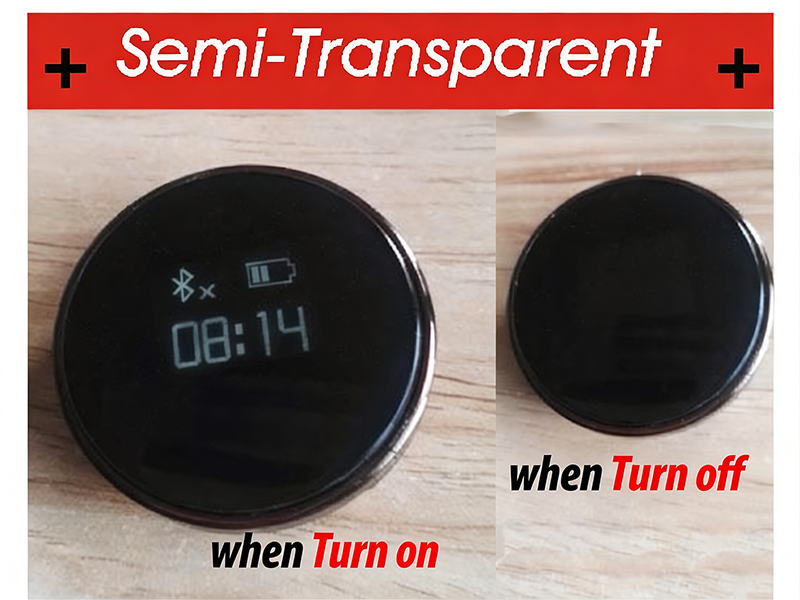
- 特点:屏幕没有开启时面板颜色是融为一体的,开启后可以清晰地显示。颜色可以按您的设计。
- 透光率:我们会根据您的背光调整玻璃的透光率,一般在25~40%
- 工艺:实现这个半透功能可采用的工艺有真空镀膜、半透油墨等
- 可选配工艺:AF
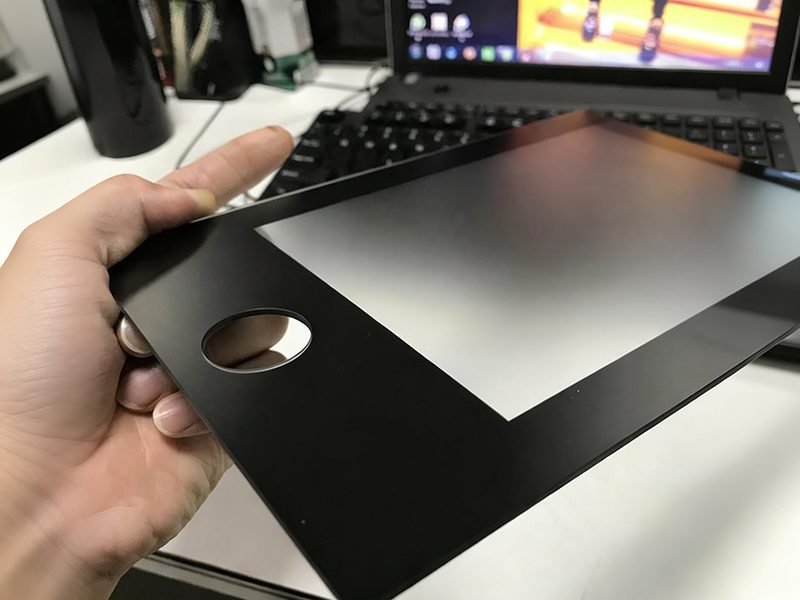
- 功能:防眩光、防刺眼;有效降低光线反射与眩光问题,提升显示清晰度与触控体验
- 应用:广泛应用于电子书、电子屏、车载显示、工业面板、医疗设备及智能终端等
- 可选配工艺:AF、AR、丝印、电镀、
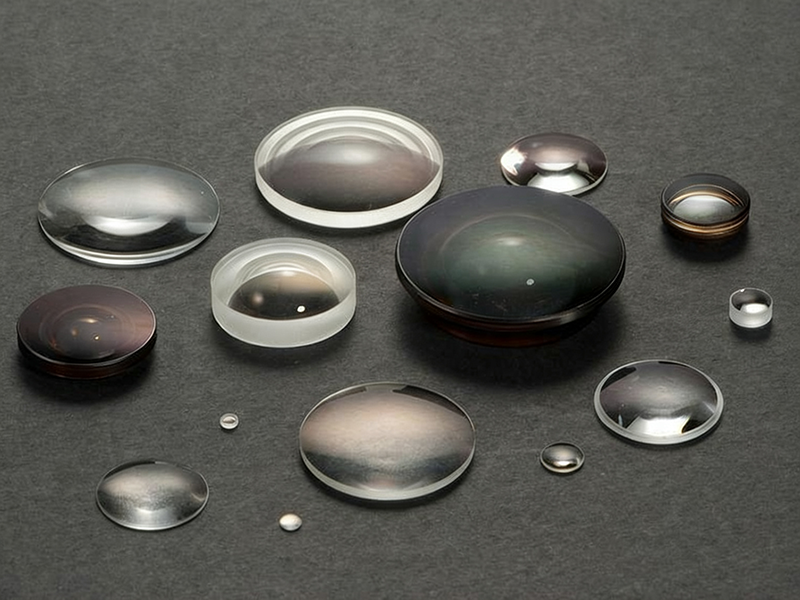
- 特点:AR或IR镀膜
- 增透膜:AR或IR镀膜
- 工艺:实现这个半透功能可采用的工艺有真空镀膜、半透油墨等
- 镜头类透镜请看光学片
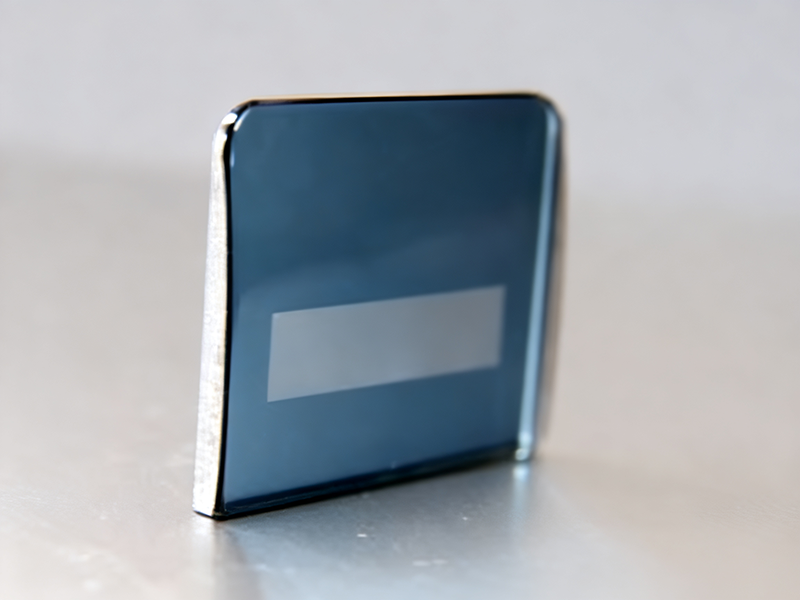
- 对于厚度是异形的玻璃,最好提供图纸和一个壳料样品
- 此样品简介:底色丝印蓝,窗口丝印半透油墨,边缘砂边
- 工艺:实现半透功能可采用的工艺有真空镀膜、半透油墨
- 可选配工艺:AF
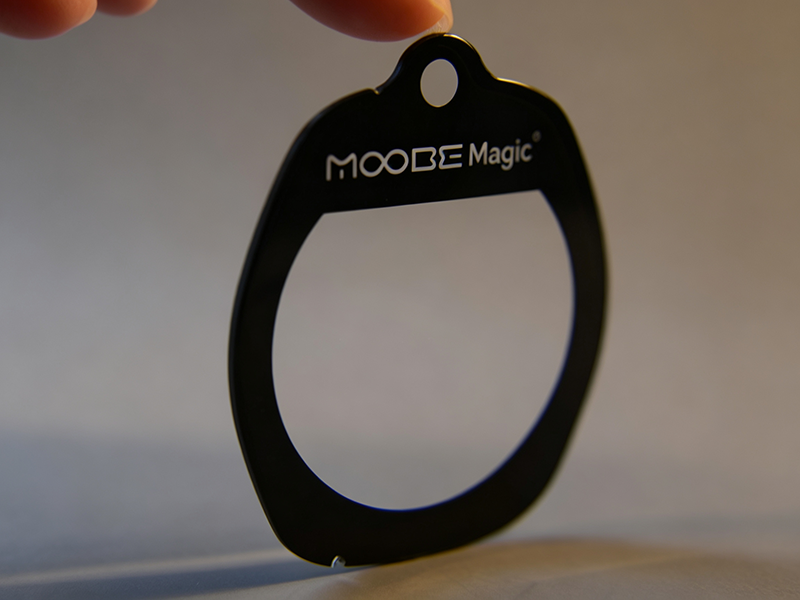
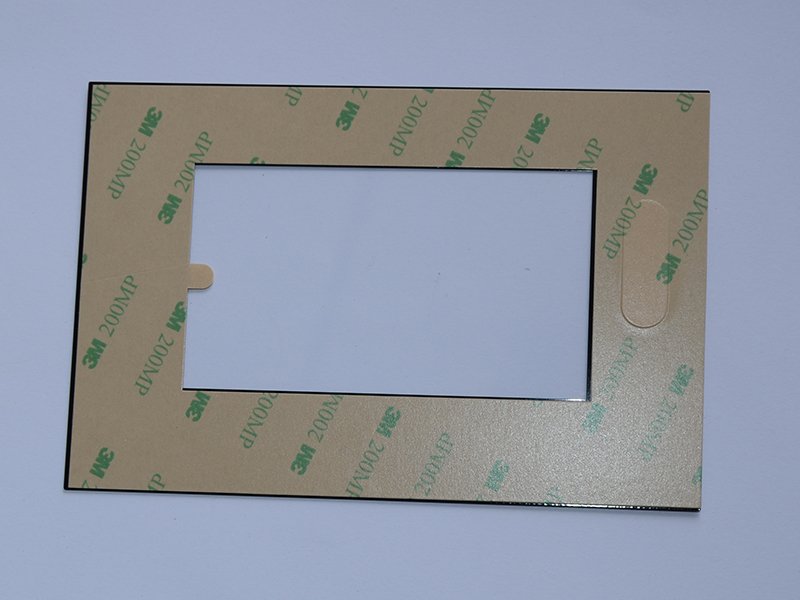
- 次电子屏上面有孔,左下角有缺口
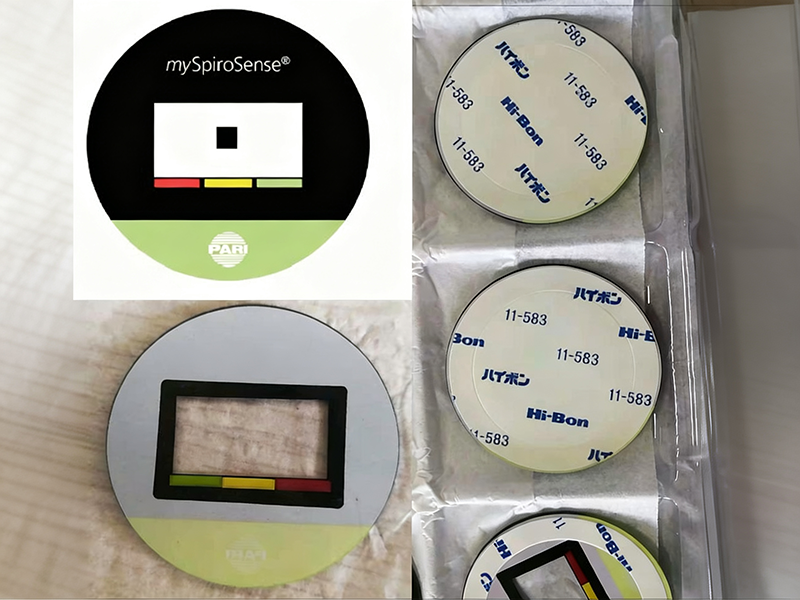
- 黑白双色丝印
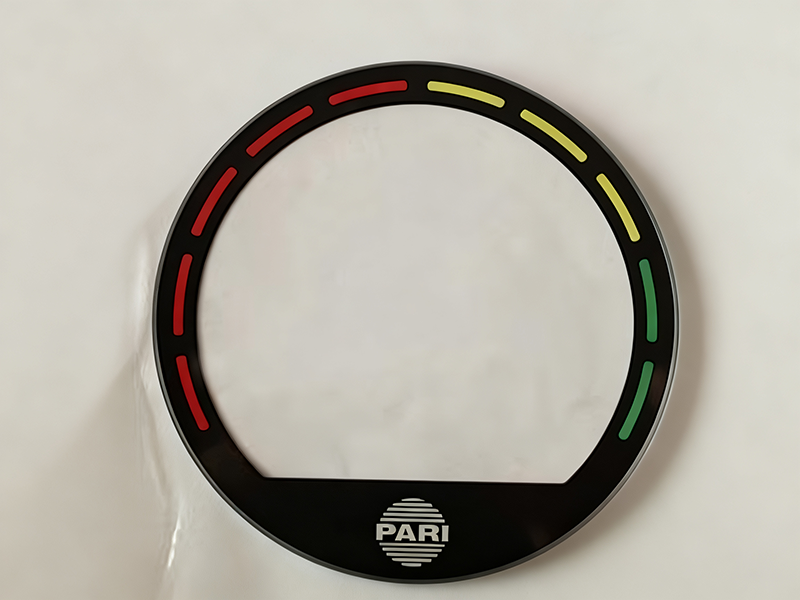
- 颜色每批要一致,保持品牌一致性
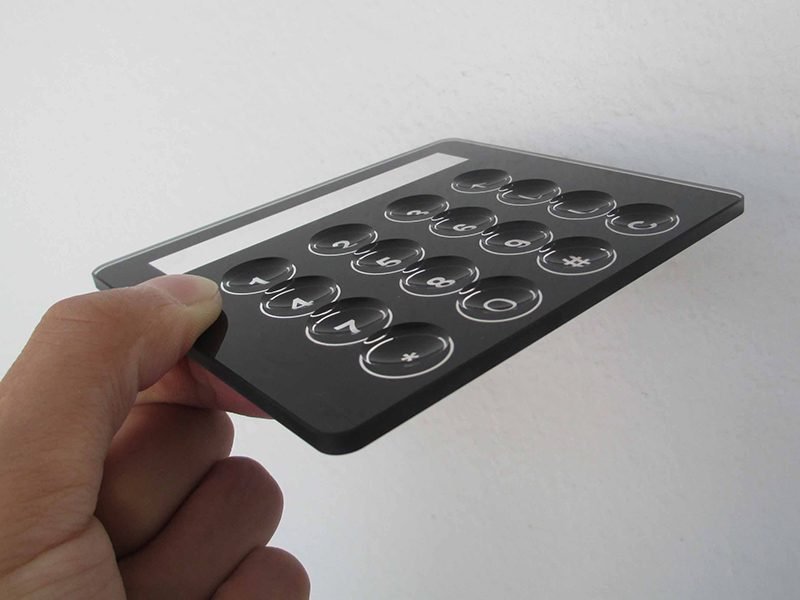
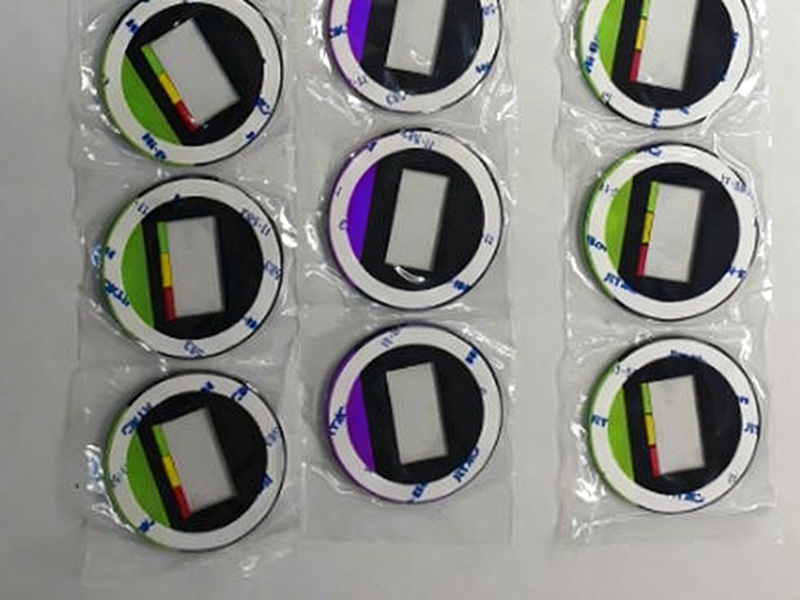
电子屏带背景
电子玻璃 电子玻璃 电子玻璃 电子玻璃 电子玻璃 电子玻璃 电子玻璃 电子玻璃 Electronic Glass: Precision Components for Modern Electronic Products
Electronic glass is an essential precision component in consumer electronics, smart devices, industrial equipment, automotive displays, and other high-tech products. With excellent light transmission, high surface hardness, electrical insulation, temperature resistance, and wear resistance, electronic glass is widely used for both the functional and decorative parts of electronic devices.
High-quality electronic glass does more than protect sensitive internal components. It can improve display clarity, enhance product appearance, support touch functionality, and provide a refined surface finish that contributes to the overall quality of the finished device. As electronic products become thinner, smaller, more integrated, and more visually sophisticated, manufacturers increasingly require customized electronic glass with complex shapes, precise dimensions, controlled light transmission, and advanced surface treatments.
Our factory specializes in customized electronic glass manufacturing and precision glass shaping. We provide integrated processing solutions for electronics manufacturers, supporting everything from glass cutting and CNC machining to printing, coating, polishing, tempering, and optical surface treatment.
Main Electronic Glass Processing Technologies
Glass Shaping and CNC Precision Machining
Electronic glass often features irregular shapes, small dimensions, thin profiles, holes, notches, and other complex structures. These designs require accurate processing and stable dimensional control.
Our processing capabilities include CNC precision engraving, irregular shape cutting, edge grinding, chamfering, drilling, and micro-hole processing. These technologies allow us to manufacture customized glass components according to customer drawings and product housing requirements.
For electronic glass with irregular thickness or stepped structures, it is recommended to provide both technical drawings and a housing sample. This allows the processing dimensions and assembly structure to be evaluated more accurately before production.
AG, AR and AF Surface Treatments
Advanced surface treatments can significantly improve the optical performance and user experience of electronic glass.
AG, or Anti-Glare treatment, reduces unwanted reflections and glare from ambient light. It can make displays easier to view under bright lighting conditions and is widely used for electronic screens, vehicle displays, industrial control panels, medical equipment, and smart terminals.
AR, or Anti-Reflective coating, reduces surface reflection and improves light transmission. It is particularly useful for display glass, optical protection windows, camera covers, and other applications where optical clarity is important.
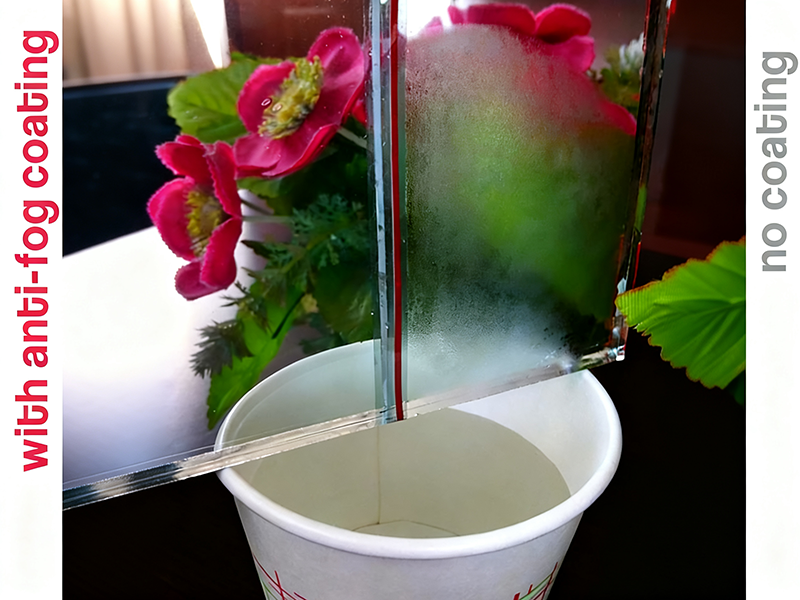
AF, or Anti-Fingerprint treatment, helps reduce fingerprint adhesion and makes the glass surface easier to clean. AF can be combined with AG, AR, printing, or other surface treatments according to the application requirements.
Hot Bending and Glass Tempering
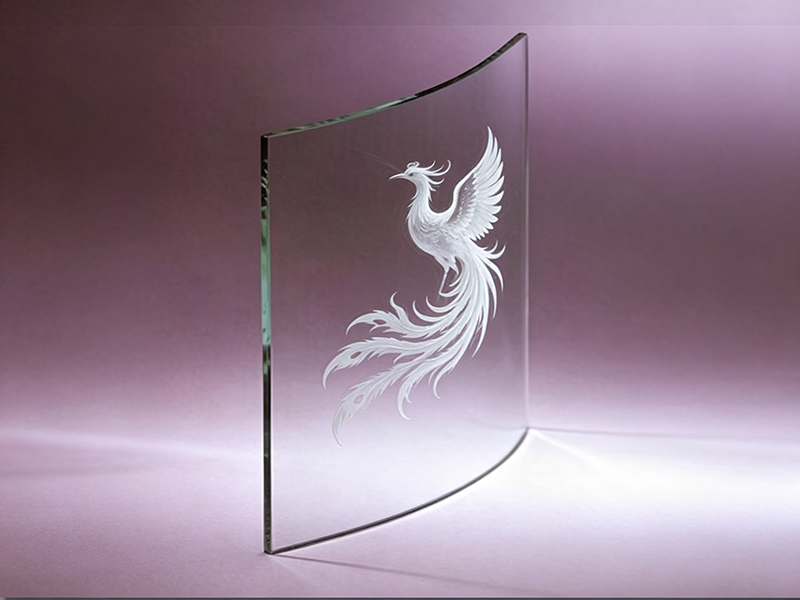
As curved displays and integrated product designs become more common, hot-bent electronic glass is increasingly used in advanced electronic devices. Through controlled high-temperature forming, flat glass can be transformed into curved or three-dimensional structures.
Tempering can also be applied to improve the mechanical strength and impact resistance of electronic glass. Depending on the application, chemical strengthening may also be considered when thin glass requires enhanced surface durability.
Cleanroom Screen Printing and Light Transmission Control
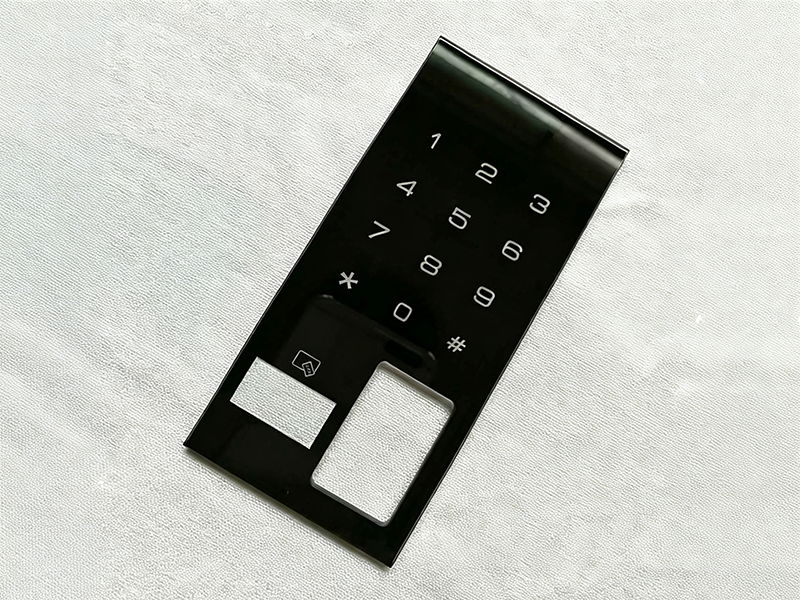
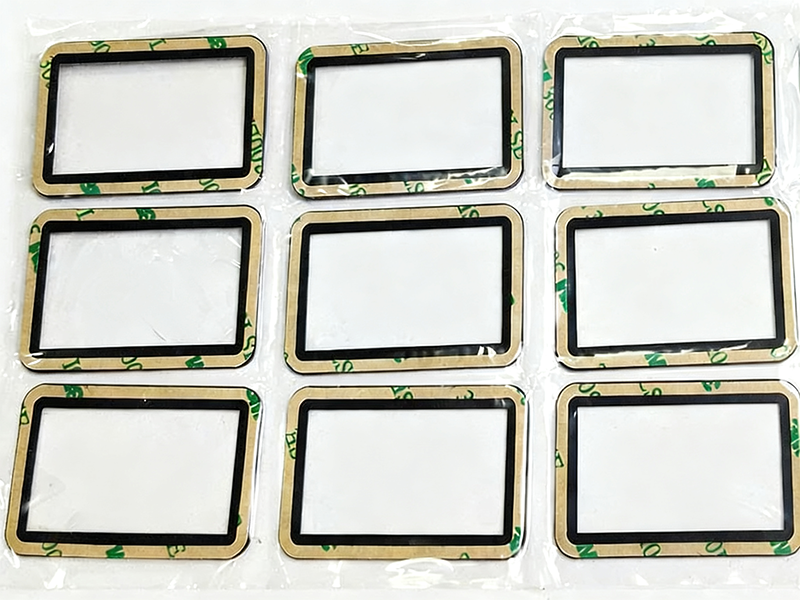
Electronic glass is frequently used for touch buttons, display windows, product logos, indicator areas, and hidden lighting structures. Cleanroom screen printing can create precise black, white, or customized color patterns while maintaining consistent appearance.
Light transmission can also be controlled through specialized printing and coating processes. This makes it possible to create hidden display effects in which the panel appears integrated with the surrounding surface when the screen is turned off, while the display becomes clearly visible when illuminated.
Semi-Transparent Electronic Display Glass
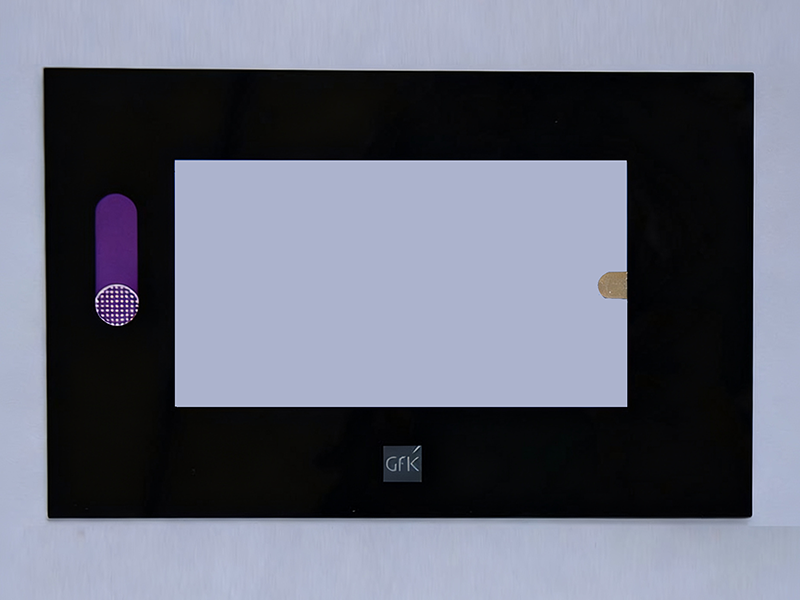
Semi-transparent electronic display glass is designed to create a clean and integrated appearance. When the display is turned off, the glass surface can visually blend with the surrounding panel. When the display is activated, information and images become clearly visible through the designated display area.
The glass color can be customized according to the customer’s product design and brand requirements. Light transmission is selected according to the characteristics of the backlight or display module. In many applications, the typical transmittance range is approximately 25% to 40%, although the actual value should be determined according to the display structure and brightness requirements.
Common processing methods include vacuum coating and semi-transparent ink printing. AF treatment can also be added to improve surface cleanliness and fingerprint resistance.
AG Anti-Glare Electronic Glass
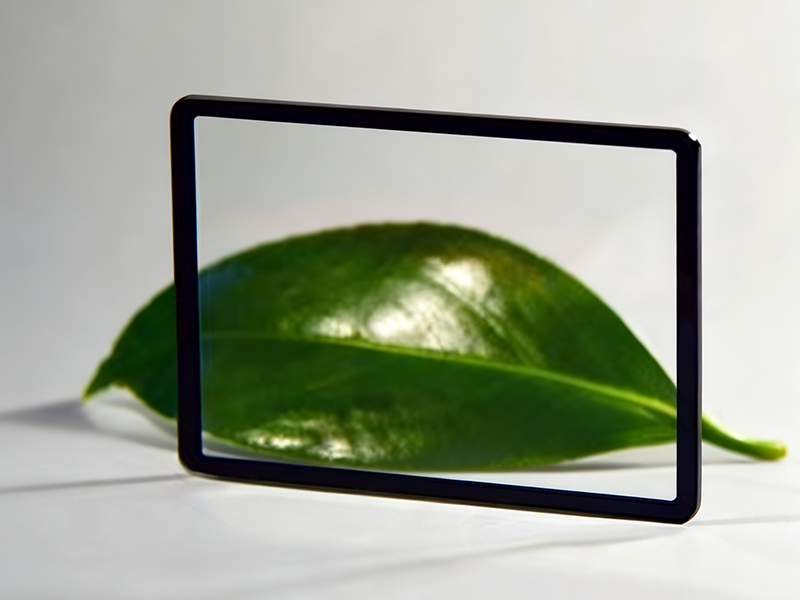
AG electronic glass is designed to reduce reflections, glare, and uncomfortable bright spots caused by external light sources. By modifying the surface texture or applying an appropriate anti-glare treatment, the glass can provide improved visual comfort and display readability.
AG glass is widely used in:
E-readers
Electronic displays
Automotive displays
Industrial control panels
Medical equipment
Smart terminals
Touchscreen devices
Additional treatments such as AF, AR, screen printing, and electroplating can be combined with AG processing to meet different product requirements.
Camera and Lens Protection Glass
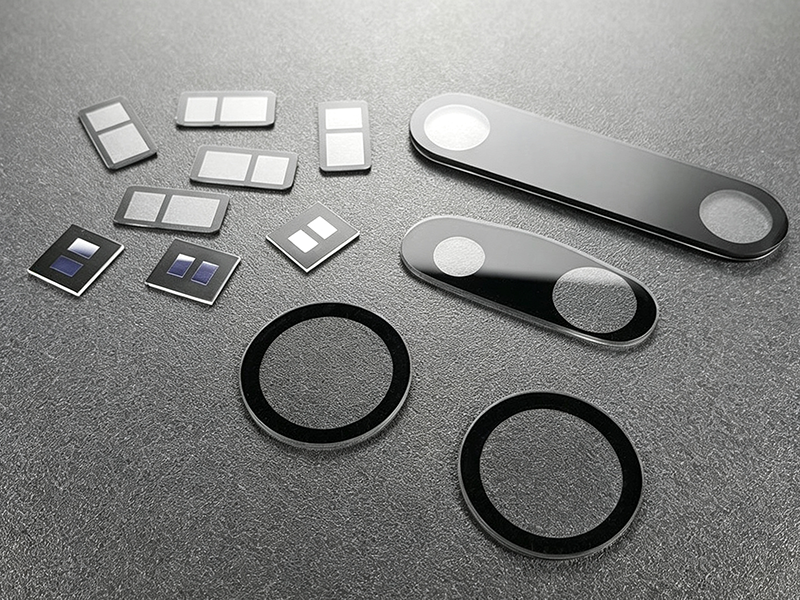
Camera protection glass is used to protect sensitive optical components from scratches, dust, fingerprints, and daily wear while maintaining high optical performance.
Depending on the application, AR or IR coatings can be applied to improve optical transmission within specific wavelength ranges. Vacuum coating and controlled light transmission processes can also be used for customized appearance and optical requirements.
For precision camera lenses and optical components, specialized optical glass processing should be considered to achieve the required dimensional accuracy, surface quality, and transmission performance.
Electronic Glass with Irregular Thickness
Some electronic products require glass with different thicknesses in different areas to accommodate internal components, housing structures, displays, sensors, or decorative elements.
For these applications, providing a technical drawing together with a housing sample can help ensure accurate dimensional matching. A typical design may include blue background screen printing, semi-transparent ink in the display window, and ground edges around the glass perimeter.
Vacuum coating and semi-transparent ink are common solutions for creating the semi-transparent display effect. AF can be added as an optional surface treatment.
Irregular-Shaped Electronic Screens
Electronic glass does not always have a conventional rectangular shape. Some customized screens may contain holes, corner cutouts, notches, or other irregular structures.
For example, an electronic screen may include a functional hole on the upper surface and a notch in the lower-left corner. Black and white dual-color screen printing can then be used to create the required visual effect while maintaining consistent positioning of functional areas.
Multi-Color Screen Printing
Multi-color screen printing allows electronic glass to match a specific product appearance or brand identity. Color consistency is especially important for mass production because different batches need to maintain the same visual appearance.
Our printing process can be customized according to customer color specifications, pattern designs, logo requirements, and light transmission areas.
Customized Electronic Glass Solutions
Our electronic glass manufacturing capabilities cover a wide range of customized components, including semi-transparent displays, AG anti-glare glass, camera protection windows, irregular-thickness electronic glass, irregular-shaped screens, multi-color printed glass, touch button glass, digital camera protection screens, electronic lock glass, and display glass with integrated background effects.
By combining precision CNC machining, drilling, polishing, tempering, hot bending, screen printing, vacuum coating, and optical surface treatments, we can provide integrated processing solutions for complex electronic glass applications.
From prototype development to mass production, our goal is to provide electronic manufacturers with stable quality, precise processing, customized appearance, and reliable delivery. Whether your project requires a simple protective glass panel or a highly customized electronic glass component with complex geometry and optical functions, we can develop a suitable processing solution based on your drawings, samples, technical specifications, and application requirements.
了解更多我们的加工工艺和产品:
页面目录
Toggle