
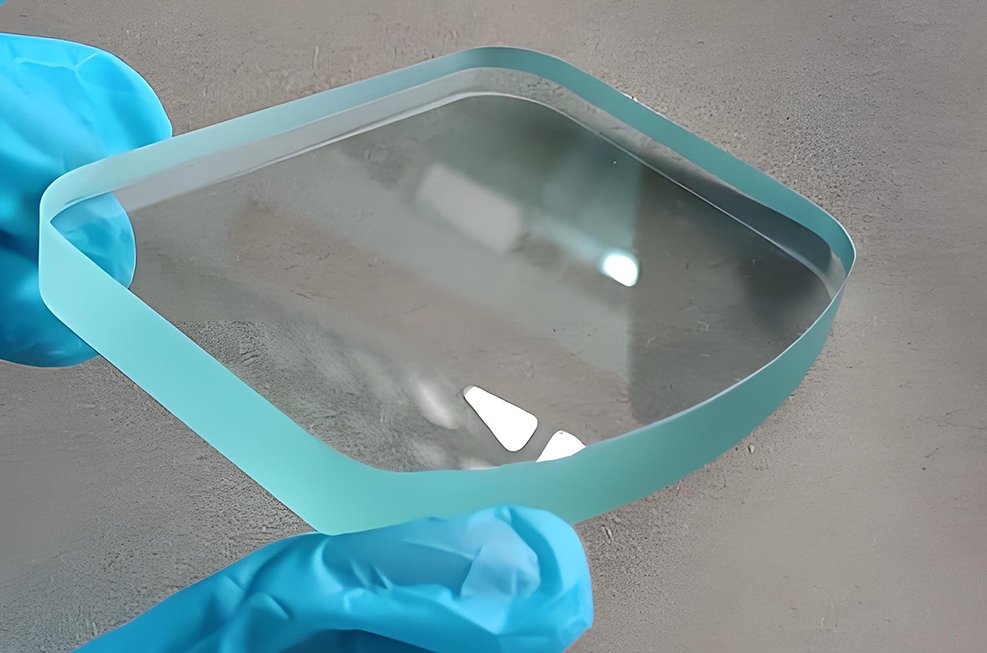
玻璃蚀刻的核心技术
1. 化学蚀刻技术
化学蚀刻是最常用的蚀刻方法,具有以下特点:
高精度图案:通过精密的掩膜技术,可实现微米级精度的蚀刻图案
均匀蚀刻:蚀刻溶液均匀作用于玻璃表面,确保蚀刻效果一致
深度可控:通过控制蚀刻时间和溶液浓度,可精确控制蚀刻深度
复杂图案:可实现复杂的几何图形、文字、logo等蚀刻图案
我们的化学蚀刻工艺采用先进的自动化设备和环保蚀刻溶液,确保蚀刻质量和生产效率。
2. 物理玻璃蚀刻技术
物理蚀刻主要包括喷砂蚀刻和激光蚀刻两种方法:
喷砂蚀刻:利用高速喷射的磨料颗粒冲击玻璃表面,形成均匀的磨砂效果
激光蚀刻:使用高能量激光束直接作用于玻璃表面,实现高精度的蚀刻
无接触加工:激光蚀刻为无接触加工,不会对玻璃造成机械损伤
局部蚀刻:可实现玻璃表面的局部精确蚀刻,无需掩膜
我们的物理蚀刻技术适用于各种特殊要求的玻璃加工场景,特别是需要局部蚀刻或特殊纹理效果的应用
3. 蚀刻的工艺流程
完整的蚀刻工艺流程包括以下步骤:
玻璃清洗:彻底清洁玻璃表面,确保蚀刻效果
掩膜制作:根据设计要求制作精密掩膜
掩膜贴合:将掩膜精确贴合在玻璃表面
蚀刻处理:采用化学或物理方法进行蚀刻
掩膜去除:蚀刻完成后去除掩膜
清洗干燥:彻底清洗并干燥蚀刻后的玻璃
质量检测:对蚀刻效果进行全面检测
我们拥有完善的蚀刻工艺流程和严格的质量控制体系,确保每一件产品都符合客户要求。
蚀刻的类型与应用
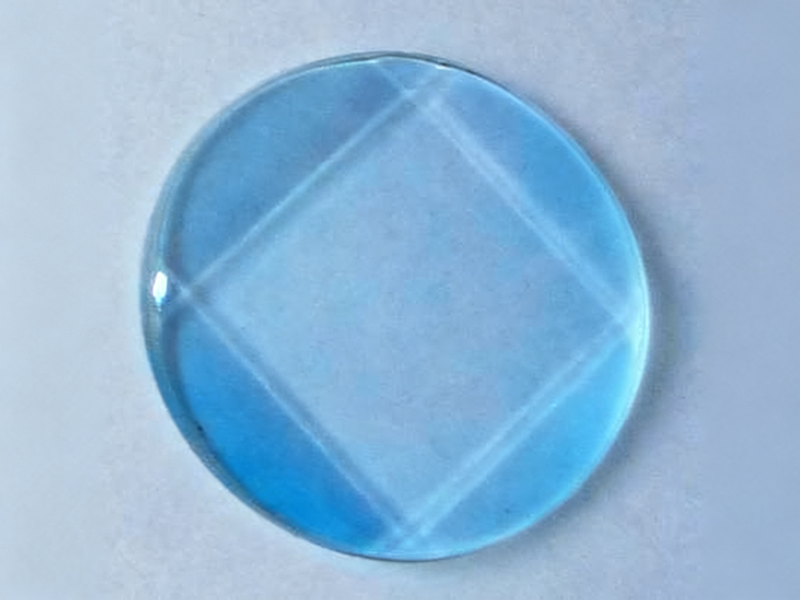
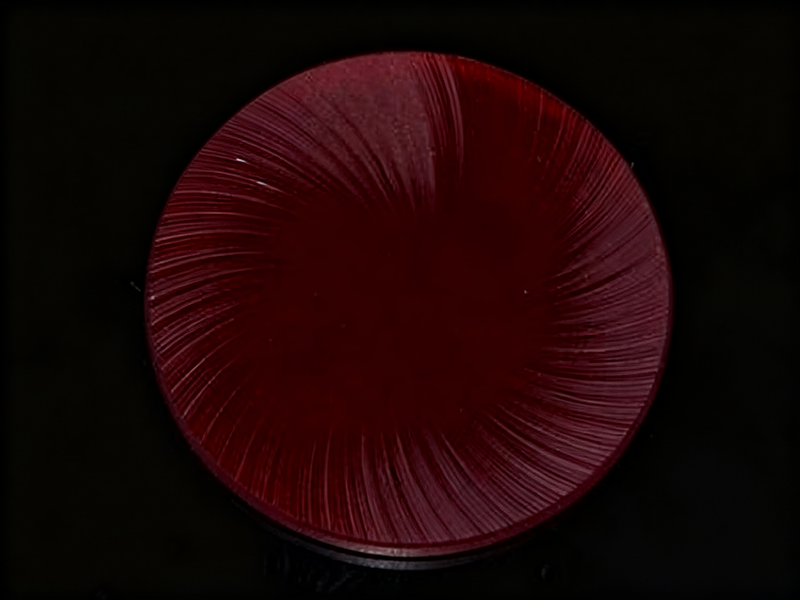
对玻璃整个表面进行均匀蚀刻,形成磨砂效果,主要应用于:
玻璃面板的防眩光处理
装饰性玻璃的磨砂效果
隐私保护玻璃
照明设备的散光玻璃
局部蚀刻
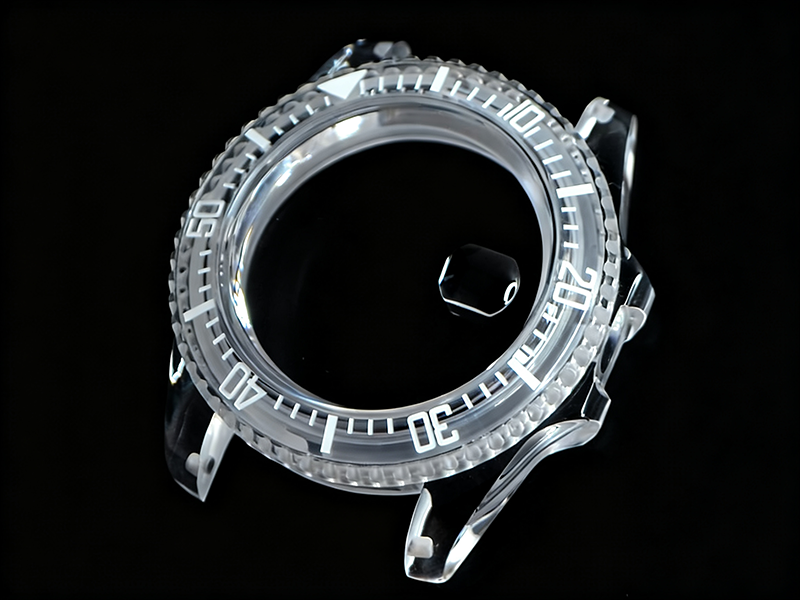
在玻璃表面特定区域进行蚀刻,形成图案或文字,主要应用于:
产品标识和logo
装饰性图案
功能区域标识
刻度和标尺(医用玻璃检验压片)
深度蚀刻
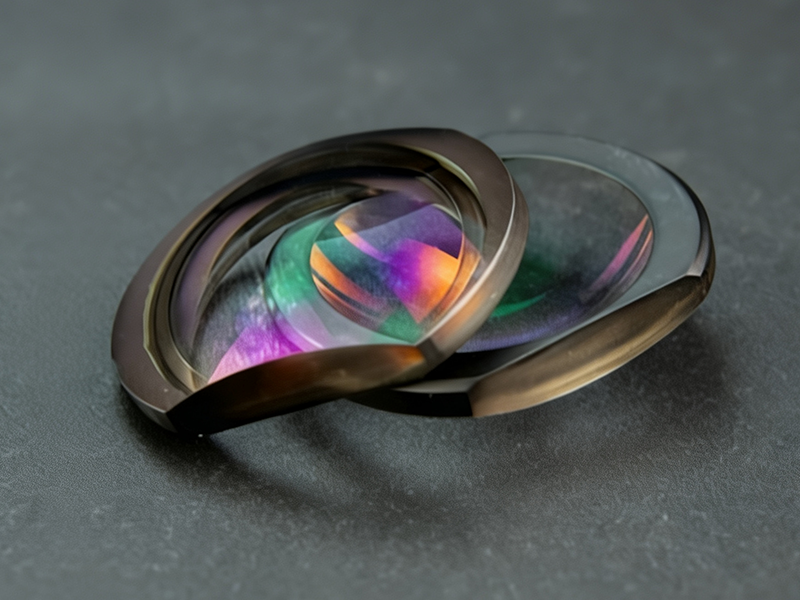
进行较深的蚀刻,形成立体效果或凹槽,主要应用于:
光学元件的微结构
玻璃模具
玻璃导光板
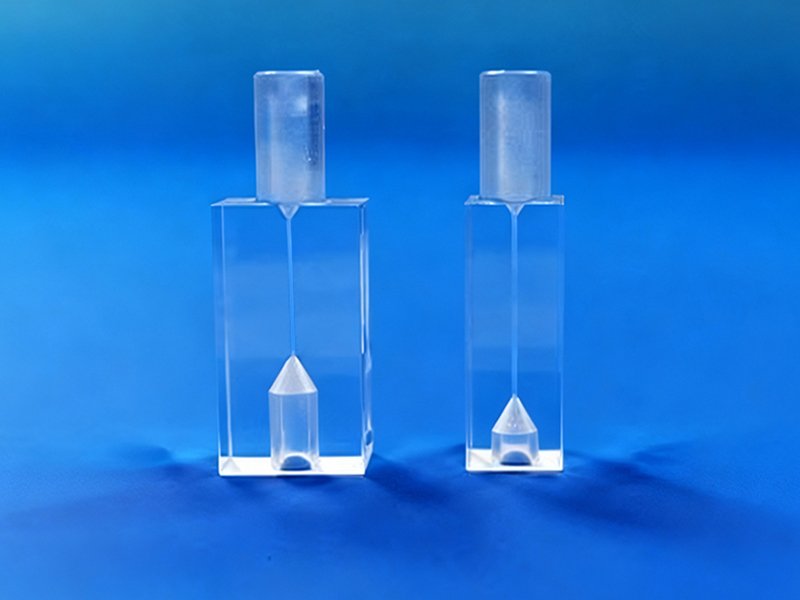
微流控芯片
玻璃蚀刻 玻璃蚀刻 玻璃蚀刻 玻璃蚀刻 玻璃蚀刻 玻璃蚀刻 玻璃蚀刻 玻璃蚀刻 玻璃蚀刻 玻璃蚀刻 玻璃蚀刻 玻璃蚀刻 玻璃蚀刻 玻璃蚀刻 玻璃蚀刻 玻璃蚀刻 玻璃蚀刻 玻璃蚀刻 玻璃蚀刻 玻璃蚀刻 玻璃蚀刻 玻璃蚀刻 玻璃蚀刻 玻璃蚀刻 Core Glass Etching Technologies and Precision Processing Applications
Glass etching is an important glass processing technology used to create controlled surface textures, patterns, markings, recesses, and microstructures. Through chemical and physical etching methods, glass can be processed to achieve different levels of surface roughness, depth, optical effects, and decorative finishes. These technologies are widely used in electronic products, optical components, medical devices, lighting equipment, industrial instruments, display panels, and precision glass components.
For manufacturers requiring customized glass, the choice of etching method depends on the glass material, pattern complexity, etching depth, dimensional tolerance, surface finish, and intended application. With advanced equipment and controlled processing parameters, precision glass etching can achieve both consistent production quality and complex customized designs.
1. Chemical Glass Etching Technology
Chemical etching is one of the most commonly used methods for glass surface processing. It uses a controlled chemical solution to selectively remove material from the glass surface. By combining precision masking technology with carefully controlled etching parameters, manufacturers can produce customized patterns and surface structures with high consistency.
High Precision Patterns
Precision masking technology allows specific areas of the glass surface to be exposed to the etching solution while protecting other areas. This makes it possible to create detailed patterns, characters, logos, geometric shapes, and other customized designs. For precision applications, the masking process plays an important role in maintaining pattern accuracy and edge definition.
Uniform Etching
Because the etching solution acts across the exposed glass surface, chemical etching can produce a relatively uniform surface texture. Proper control of solution concentration, temperature, circulation, and processing time helps maintain consistent etching results across the entire workpiece.
Controllable Etching Depth
Etching depth can be adjusted by controlling processing time, chemical concentration, temperature, and other process parameters. This allows manufacturers to produce different surface depths according to customer requirements, from light surface frosting to deeper recessed structures.
Complex Design Capability
Chemical glass etching can be used to produce complex geometric patterns, text, logos, decorative designs, and functional markings. It is particularly suitable for applications where the same pattern needs to be reproduced consistently across multiple glass components.
Our chemical etching process uses automated processing equipment and controlled etching solutions to improve production efficiency and processing consistency. Process parameters are carefully monitored to help ensure stable surface quality and repeatable results.
2. Physical Glass Etching Technology
Physical glass etching mainly includes sandblasting and laser etching. Unlike chemical etching, these methods use physical energy or abrasive materials to modify the glass surface.
Sandblasting Etching
Sandblasting uses high-speed abrasive particles to impact the glass surface, creating a controlled roughened or frosted finish. By adjusting abrasive particle size, air pressure, processing speed, and exposure area, different surface textures can be achieved.
Sandblasting is widely used for decorative glass, privacy glass, anti-glare surfaces, signage, lighting components, and other applications requiring a uniform matte appearance.
Laser Glass Etching
Laser etching uses a high-energy laser beam to directly process the glass surface. Because the laser can be precisely controlled, it is suitable for detailed markings, fine patterns, localized processing, and customized designs.
One major advantage of laser etching is non-contact processing. The laser does not require a physical cutting tool to contact the glass, which helps reduce mechanical interference during processing. It can also process selected areas of a glass component without requiring a conventional physical mask.
Localized Precision Etching
Physical etching technologies are particularly useful when only a specific area of the glass needs to be processed. Localized etching can create functional markings, decorative patterns, identification codes, optical structures, and other customized surface features.
Our physical etching capabilities are suitable for glass components requiring localized processing, special textures, customized markings, and unique surface effects.
3. Glass Etching Process
A complete glass etching process generally consists of several controlled steps to ensure surface quality and dimensional consistency.
Glass Cleaning
The glass surface is thoroughly cleaned before processing. Removing dust, oil, fingerprints, and other contaminants helps ensure uniform etching and improves the quality of the final surface.
Mask Preparation
For chemical etching, a precision mask is prepared according to the customer’s design. The mask determines which areas of the glass will be protected and which areas will be exposed to the etching process.
Mask Application
The mask is accurately applied to the glass surface. Proper alignment is essential for maintaining pattern position, dimensions, and edge accuracy.
Etching
The glass is then processed using the selected chemical or physical etching method. Processing parameters are controlled according to the required texture, pattern, depth, and surface finish.
Mask Removal
After chemical etching is completed, the protective mask is carefully removed from the glass surface.
Cleaning and Drying
The etched glass is thoroughly cleaned to remove processing residues and then dried before inspection.
Quality Inspection
The finished glass is inspected for pattern accuracy, etching depth, surface uniformity, dimensional accuracy, edge quality, and overall appearance. Strict quality control helps ensure that the finished products meet customer specifications.
4. Precision Glass Processing Capabilities
Glass etching can also be combined with other precision glass processing technologies to manufacture complex components. These capabilities may include watch masks with concave inner polishing, optical polishing, CNC processing, irregular CNC polishing, perforated glass, and optical polishing inside small holes.
For example, precision polishing inside a 0.2 mm square hole requires specialized equipment and carefully controlled processing parameters. Combining CNC machining, polishing, drilling, and etching allows manufacturers to produce highly customized glass components for optical, electronic, medical, and industrial applications.
5. Types and Applications of Glass Etching
Full-Surface Etching
Full-surface etching processes the entire glass surface to create a uniform frosted or matte appearance. This type of glass etching is commonly used for:
Anti-glare treatment for glass panels
Frosted finishes for decorative glass
Privacy glass
Diffusing glass for lighting equipment
Decorative and architectural glass surfaces
The resulting texture can reduce direct reflections while providing a distinctive visual appearance.
Localized Etching
Localized etching processes specific areas of the glass surface to create patterns, symbols, text, or functional markings. Typical applications include:
Product identification and logos
Decorative patterns
Functional area markings
Scales and measurement markings
Medical glass inspection slides
Instrument panels and control components
By accurately controlling the etched area, localized processing can combine decorative appearance with functional identification.
Deep Etching
Deep etching removes more material from selected areas to create recessed structures, grooves, or three-dimensional surface effects. Compared with conventional surface frosting, deep etching requires tighter control of processing parameters and dimensional accuracy.
Deep etched glass can be used for:
Microstructures in optical components
Glass molds
Glass light guide plates
Microfluidic chips
Precision industrial components
Deep etching is particularly valuable when glass needs to provide not only optical or protective functions but also precise structural features.
Customized Glass Etching for Precision Applications
Modern glass etching is no longer limited to simple frosting or decorative surface treatment. By combining chemical etching, sandblasting, laser processing, CNC machining, precision polishing, and other glass fabrication technologies, manufacturers can produce increasingly complex glass components.
The optimal solution depends on the glass type, dimensions, thickness, pattern requirements, etching depth, surface finish, tolerance, and final application. A professional glass processing manufacturer can evaluate the customer’s drawings and technical requirements and select the appropriate processing method.
With advanced equipment, controlled production processes, and strict quality inspection, customized glass etching can provide reliable solutions for electronics, optics, medical equipment, lighting, industrial instruments, displays, and other precision applications.
页面目录
Toggle