
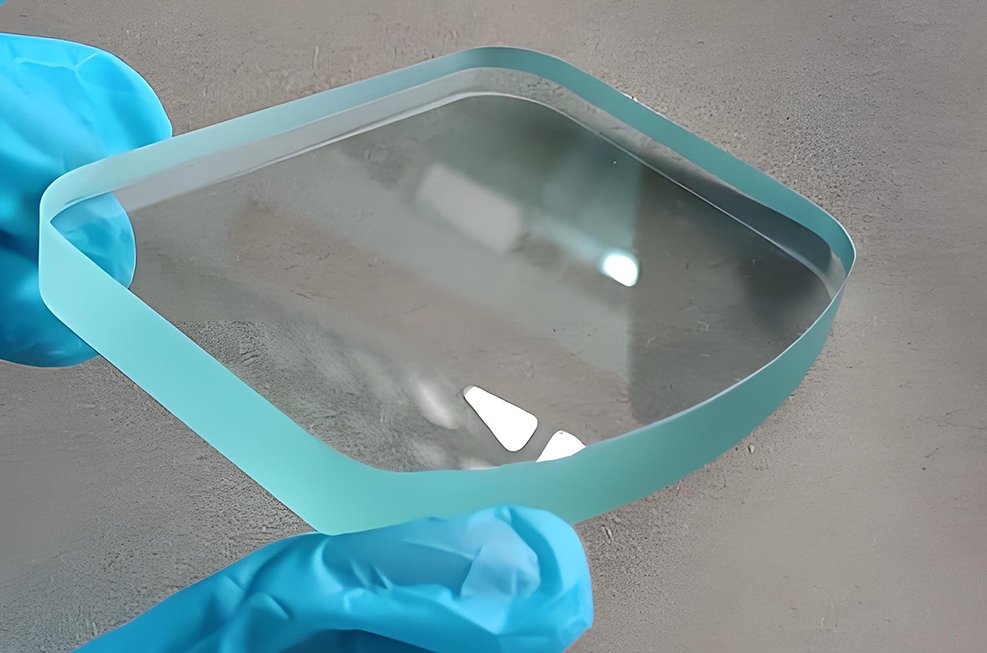
玻璃电镀与玻璃丝印工艺核心介绍
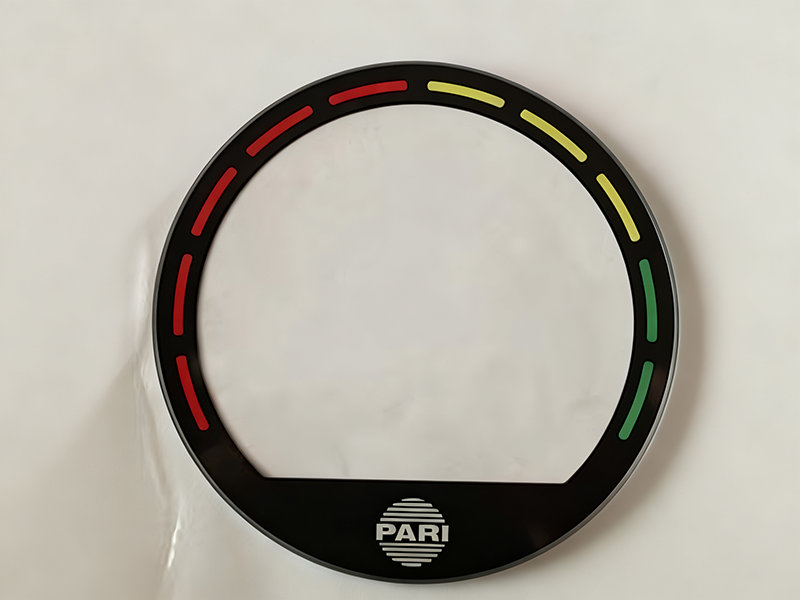
玻璃丝印 - 高精度0.2mm
- 最小线条粗细和空白间隙不要小于0.2mm
- 丝印是最基础的加工工艺,电镀过程也需要用到丝印工艺,但精度或颜色套印需要师傅的手艺
- 调色,请提供潘通色号或样品,我们能调出纯正的颜色
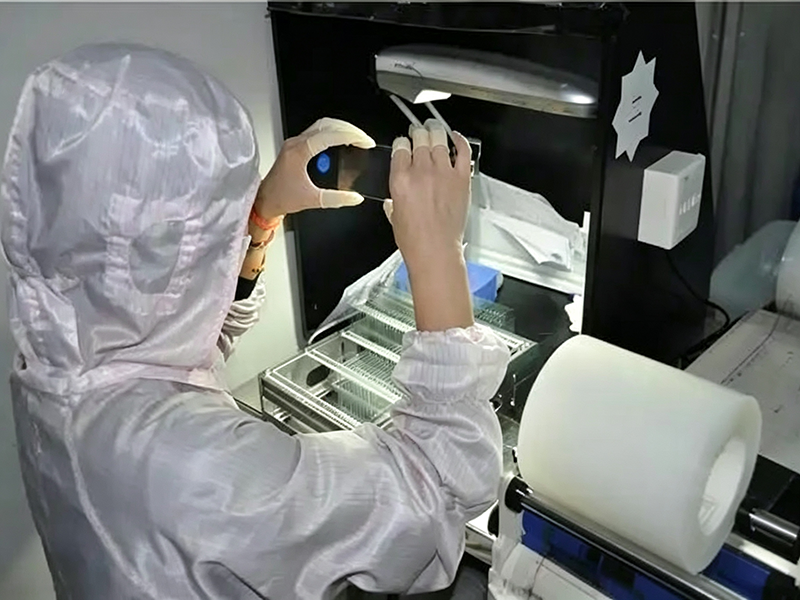
- 丝印要做无尘条件下进行,不能把灰尘/不毛等封在油墨下
- QC检查和丝印师傅操作时,不要把手印留着玻璃上
- 导电丝印
- 半透光丝印
- 医学级丝印
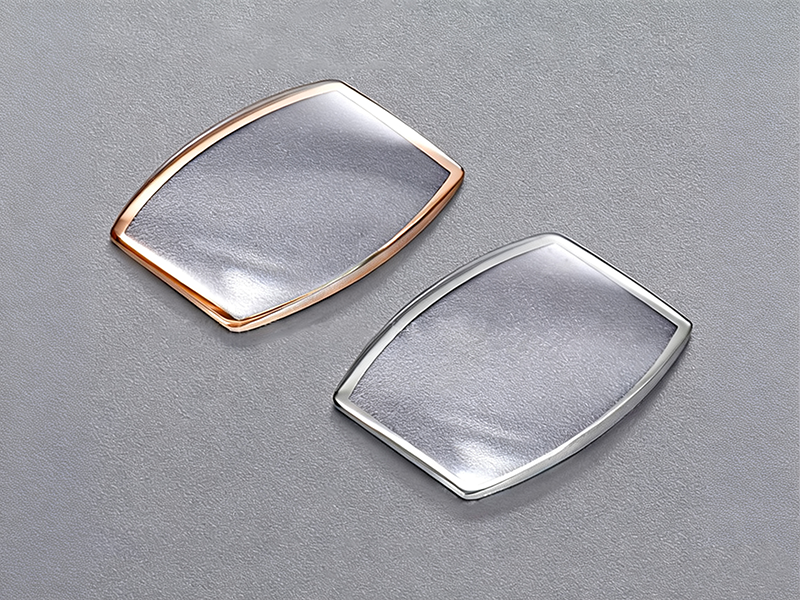
玻璃电镀
玻璃本身不导电,不能直接常规电镀,需先做导电化预处理,再进行金属镀层沉积,常用工艺分真空电镀(主流)、化学镀、水电镀三大类,主要用于装饰、反光、导电、隔热、防眩光等。
一、核心原理
玻璃是绝缘体,先在表面形成一层导电底层(镍、铜、银等),再电镀金、铬、钛、铝、铟锡氧化物等金属 / 合金,实现镜面、彩色、导电、疏水效果。
二、主流工艺对比
1. 真空电镀(最常用,玻璃首选)
方式:磁控溅射、蒸镀、离子镀
镀层:铝、钛、铬、银、ITO、氮化钛等
优点:附着力强、均匀、环保、无废水、可做彩色 / 透明导电膜
用途:手机盖板、汽车后视镜、建筑镀膜玻璃、装饰玻璃、AR/AF 防指纹膜
2. 化学镀(无电解镀,湿法)
玻璃表面敏化→活化→化学镀银 / 铜 / 镍,不用通电,形成导电层,可再加厚电镀。
用途:镜子、导电玻璃、低反射玻璃、工艺品
3. 水电镀(很少直接用)
必须先化学镀打底,再挂镀 / 滚镀,废水多、附着力一般,玻璃件极少用。
三、玻璃电镀完整流程(标准湿法)
前处理:除油→水洗→粗化(氢氟酸微蚀,提高附着力)→中和
敏化:氯化亚锡浸泡,吸附锡离子
活化:硝酸银 / 钯盐,形成金属晶核
化学镀:镀银 / 铜 / 镍,形成导电层
电镀加厚:镀铬、金、镍、钛等
封闭保护:清漆 / 二氧化硅封层,防氧化、耐磨
Core Introduction to Glass Electroplating and Glass Silk-Screen Printing Processes
Glass electroplating and glass silk-screen printing are two core surface processes in customized precision glass processing, and serve as key procedures for functional upgrading and appearance beautification of glass components for electronic products. Glass electroplating is a precision metallization treatment process that forms a uniform and dense metal film on the glass surface via professional electroplating technology. It delivers multiple functions including conductivity, light shielding, light reflection and anti-electromagnetic interference, while enhancing the texture and wear resistance of glass, making it suitable for various high-end precision electronic glass parts.
Glass silk-screen printing is a dust-free printing process. Adopting a dust-free production environment and high-precision screen printing technology, it enables accurate printing of patterns, borders, texts and light-shielding layers on glass surfaces. It features clear patterns, neat edges, strong adhesion and fade-free performance for long-term use. Our factory adopts standardized combination of glass electroplating and silk-screen printing processes, matched with pre-processes such as precision engraving, etching, tempering and hot bending. All operations are implemented with refined management to avoid process defects including delamination, color difference and blurry patterns, fully complying with the high-quality processing standards of the electronics industry.
Key Specifications and Process Requirements of Glass Silk-Screen Printing
Silk-screen printing is a fundamental yet critical glass processing technology. It is also auxiliary to the electroplating process, where precise sizing and color overprinting rely on sophisticated craftsmanship and professional color tuning. For accurate color matching, customers are required to provide Pantone color numbers or physical samples to ensure pure and consistent color presentation.
Strict dust-free conditions are mandatory for all silk-screen printing operations to prevent dust and impurities from being sealed under the ink layer. Both QC inspectors and printing operators must avoid leaving fingerprints on the glass surface during production and inspection procedures. Our diversified silk-screen printing solutions cover conductive silk-screen printing, semi-transparent silk-screen printing and medical-grade silk-screen printing to meet differentiated application needs.
In terms of precision standards, the minimum line width and blank spacing of high-precision electronic glass silk-screen printing are strictly controlled at no less than 0.2mm to ensure fine and uniform printing effects.
Glass Electroplating Process
Glass is an insulator and cannot be directly electroplated through conventional methods. It requires professional conductive pretreatment before metal film deposition. The mainstream glass electroplating technologies are divided into three categories: vacuum electroplating (the most widely used), chemical plating and water electroplating, which are mainly applied for decoration, light reflection, conduction, heat insulation and anti-glare purposes.
Core Working Principle
With insulating properties, glass needs a conductive base layer (nickel, copper, silver, etc.) pre-deposited on its surface. Subsequent plating of metals and alloys such as gold, chromium, titanium, aluminum and indium tin oxide is implemented to achieve mirror, colored, conductive and hydrophobic surface effects.
Comparison of Mainstream Electroplating Processes
1. Vacuum Electroplating (Preferred and Most Common for Glass)
Implementation methods include magnetron sputtering, evaporation plating and ion plating. Applicable plating materials cover aluminum, titanium, chromium, silver, ITO and titanium nitride. This process boasts outstanding advantages such as strong adhesion, uniform coating, environmental friendliness and zero wastewater discharge, and can produce colored and transparent conductive films. It is widely used for mobile phone cover plates, automotive rearview mirrors, architectural coated glass, decorative glass, as well as AR and AF anti-fingerprint films.
2. Chemical Plating (Electroless Wet Plating)
The process flow includes glass surface sensitization and activation, followed by electroless plating of silver, copper or nickel to form a conductive base layer, which can be further thickened via secondary electroplating. It is commonly applied to mirrors, conductive glass, low-reflection glass and craft glass products.
3. Water Electroplating (Rarely Used Directly on Glass)
This process requires a pre-made chemical plating base layer before hanging plating or barrel plating. Due to large wastewater output and mediocre coating adhesion, it is rarely adopted for glass component processing.
Standard Wet Process Flow for Glass Electroplating
Pre-treatment: Degreasing → Water Cleaning → Surface Roughening (hydrofluoric acid micro-etching to enhance coating adhesion) → Neutralization
Sensitization: Soaking in stannous chloride solution to adsorb tin ions on the glass surface
Activation: Treatment with silver nitrate or palladium salt to form metal crystal nuclei
Chemical Plating: Silver, copper or nickel plating to form a stable conductive base layer
Electroplating Thickening: Secondary plating with chromium, gold, nickel, titanium and other metals
Sealing Protection: Coating with varnish or silicon dioxide sealing layer for anti-oxidation and wear resistance enhancement
页面目录
Toggle