
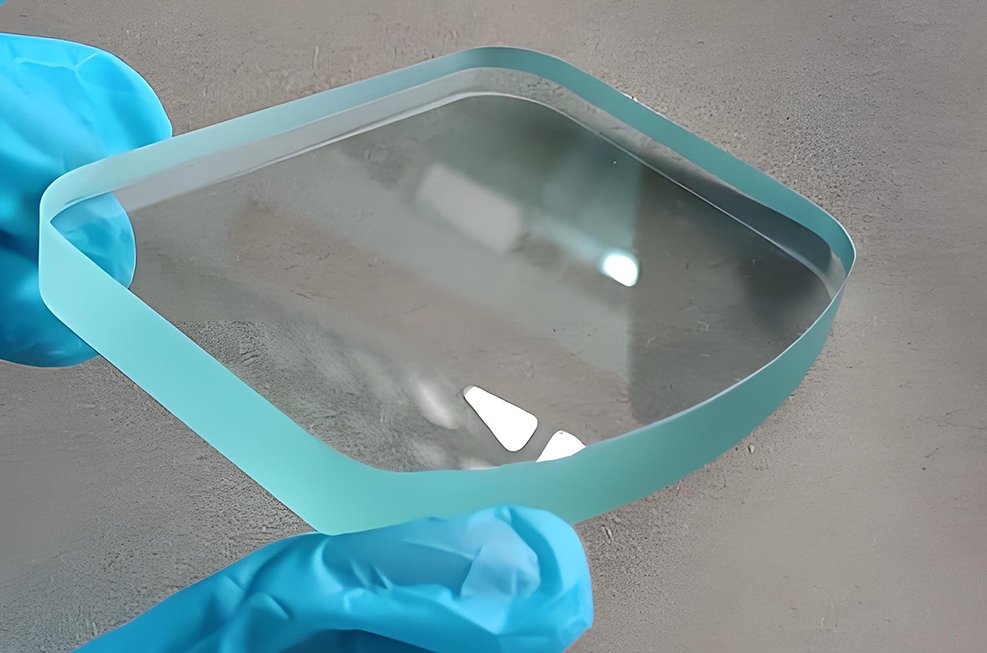
玻璃透光率控制加工工艺
玻璃透光率解决方案,是通过玻璃材质选择、镀膜工艺、AG、表面涂层处理及颜色控制等多种技术手段,对玻璃的透光率、反射率、雾度及视觉效果进行精准调节,从而满足不同电子产品与光学设备的功能需求。
随着智能电子产品不断升级,玻璃不仅承担保护作用,同时还影响显示效果、触控体验与产品外观。因此,玻璃透光率解决方案已成为高端玻璃定制加工的重要环节。
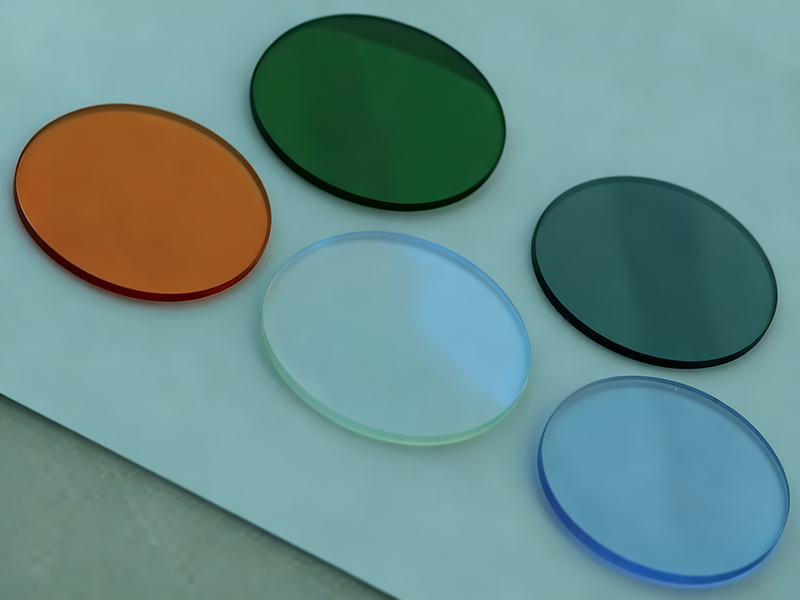
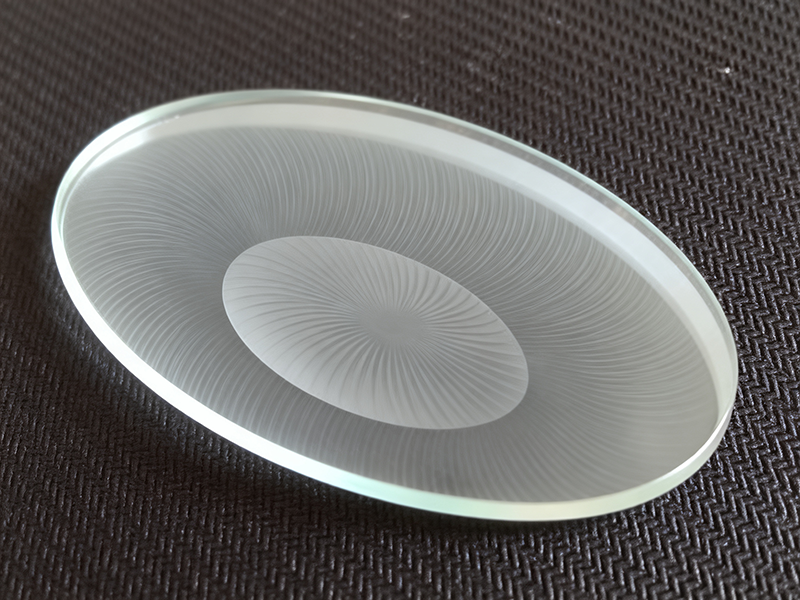
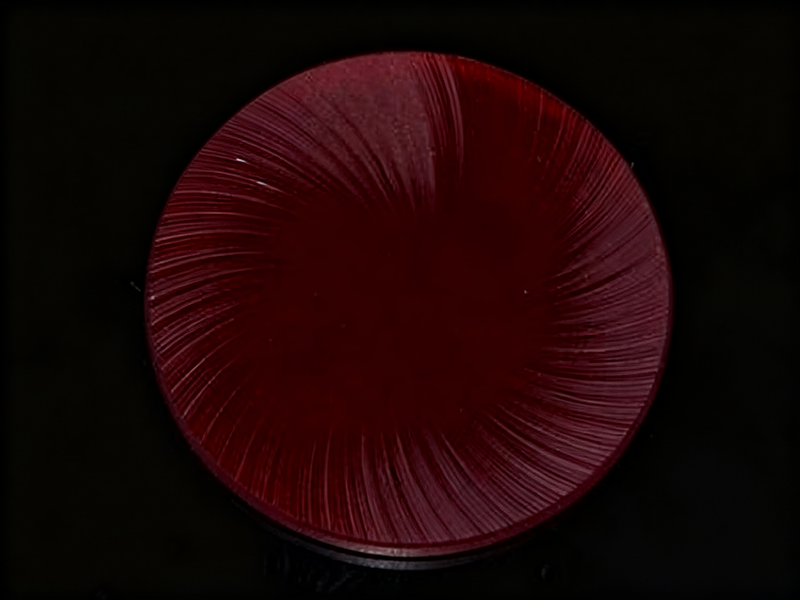
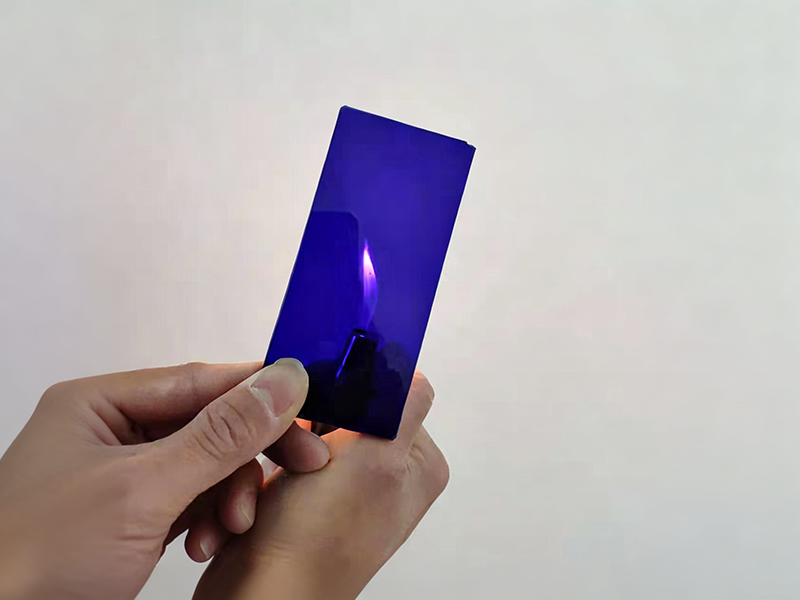
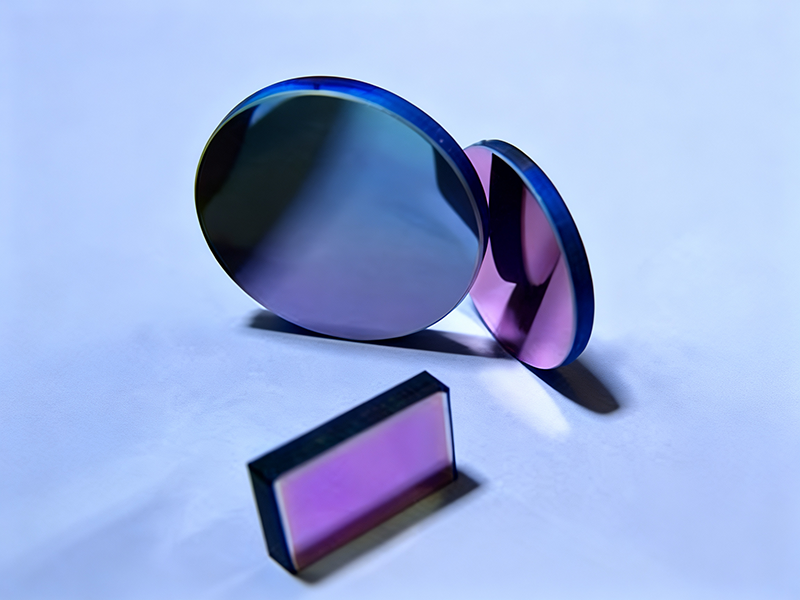
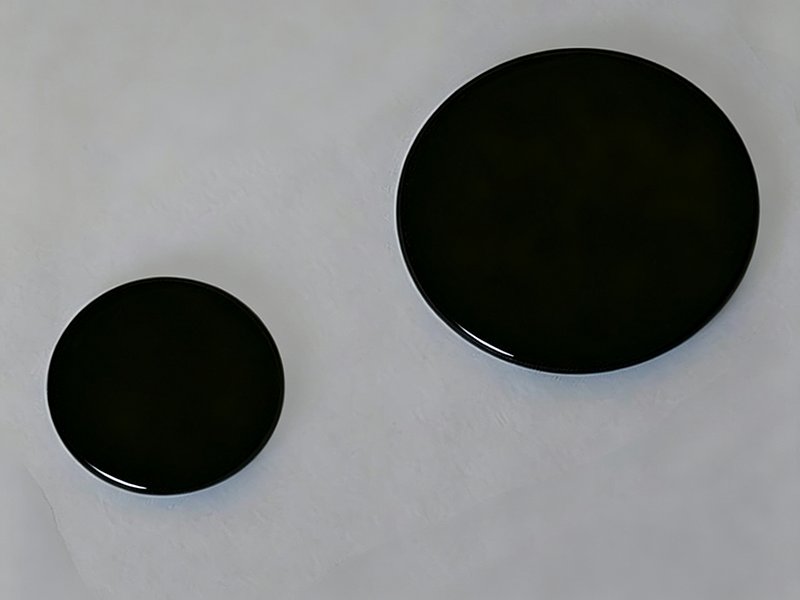
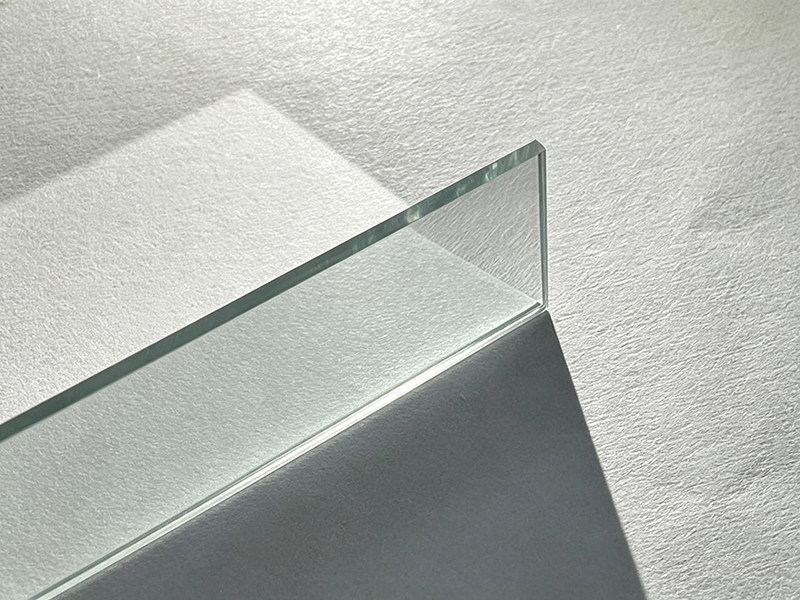
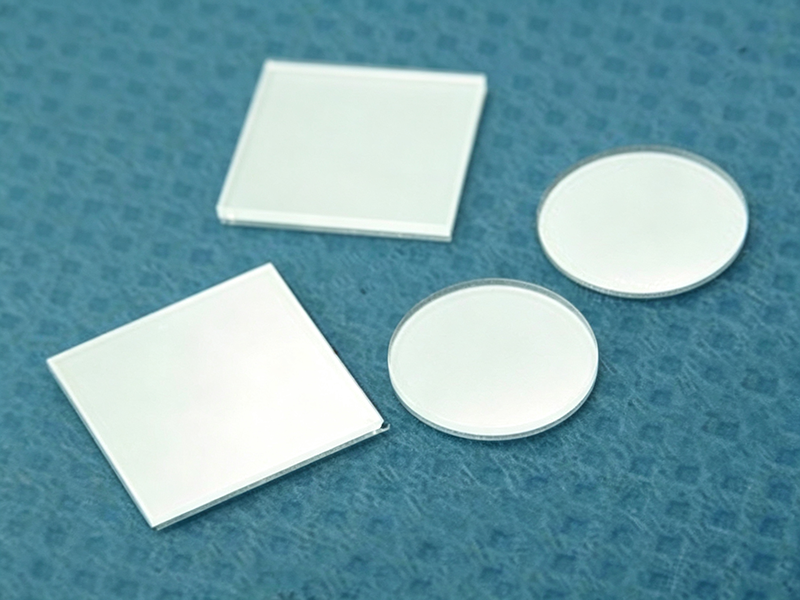
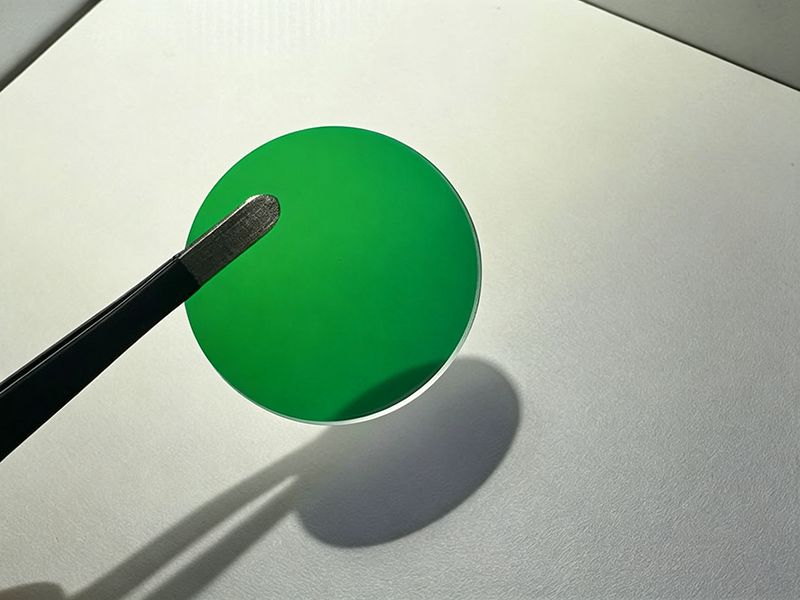
定制解决方案和参数值
金雄镜片厂拥有丰富的定制玻璃加工经验,可针对不同产品应用需求,为客户提供专业的玻璃工艺解决方案。根据产品结构、功能需求及使用场景,我们能够提供多种加工工艺组合与可控参数方案,包括透光率、反射率、雾度、颜色效果、表面硬度及光学性能等关键指标调节,帮助客户实现更加稳定、高效的产品应用效果,全面满足电子产品及精密设备对高品质玻璃的定制需求。
玻璃透光率控制 玻璃透光率控制 玻璃透光率控制 玻璃透光率控制 玻璃透光率控制 玻璃透光率控制 玻璃透光率控制 玻璃透光率控制 玻璃透光率控制 玻璃透光率控制 玻璃透光率控制 玻璃透光率控制 玻璃透光率控制 玻璃透光率控制 玻璃透光率控制 玻璃透光率控制 玻璃透光率控制 玻璃透光率控制 玻璃透光率控制 玻璃透光率控制 玻璃透光率控制Glass Light Transmittance Control Processing Solutions
Glass light transmittance control is an important technology in custom glass manufacturing. By combining material selection, optical coating, AG surface treatment, functional coatings, color control, and precision surface processing, manufacturers can accurately adjust the light transmittance, reflectance, haze, color appearance, and visual performance of glass.
As electronic products and optical devices continue to become more sophisticated, glass is no longer used only as a protective component. It can directly influence display quality, light transmission, touch performance, optical recognition, visual comfort, and the overall appearance of a finished product. For this reason, glass light transmittance control has become an important part of high-end custom glass processing.
What Is Glass Light Transmittance Control?
Glass light transmittance control refers to the use of different materials and surface-processing technologies to regulate how light passes through, reflects from, or is scattered by a glass component.
Depending on the application, customers may require high transparency, partial light transmission, controlled reflection, low reflection, specific infrared transmission, or a particular visual effect. These requirements can be achieved by selecting an appropriate glass substrate and combining it with coatings, AG treatment, frosting, printing, engraving, or color processing.
The final optical performance is determined by multiple factors, including the type and thickness of the glass, coating structure, surface treatment, wavelength range, color system, and processing parameters. Therefore, an effective solution must be developed according to the actual application rather than relying on a single processing method.
Main Glass Light Transmittance Control Technologies
Glass Material Selection
The glass substrate is the foundation of any optical control solution. Different glass materials have different optical properties and can provide different levels of visible light transmission, infrared transmission, reflection, and color neutrality.
For applications requiring high optical clarity, high-transmission glass can be selected. For applications requiring controlled light diffusion or a special visual appearance, specific glass materials and surface treatments can be combined to achieve the desired effect.
Material selection is especially important for electronic devices, optical instruments, lighting products, and infrared sensing components, where even small differences in optical performance can influence the final product.
Optical Coating
Optical coating is one of the most effective methods for controlling glass transmission and reflection.
By applying functional thin-film coatings to the glass surface, it is possible to modify the behavior of light at specific wavelengths. Depending on the application, coatings can be designed to increase transmission, reduce reflection, enhance reflection, or selectively control infrared and visible light.
High-reflection glass, infrared filtering glass, and wavelength-selective optical glass are typical examples. Coating structures can be customized according to the required wavelength range and optical performance.
AG Anti-Glare Treatment
AG, or Anti-Glare, treatment creates a controlled micro-textured surface that reduces direct reflections and improves visual comfort under strong ambient lighting.
AG glass is widely used for electronic displays, e-book readers, industrial control panels, touchscreens, and other products where reflected light can interfere with viewing.
The AG surface can be customized according to requirements such as gloss, haze, surface roughness, and visual appearance. Proper control of these parameters allows manufacturers to balance anti-glare performance with image clarity and display quality.
Frosted and Diffused Glass
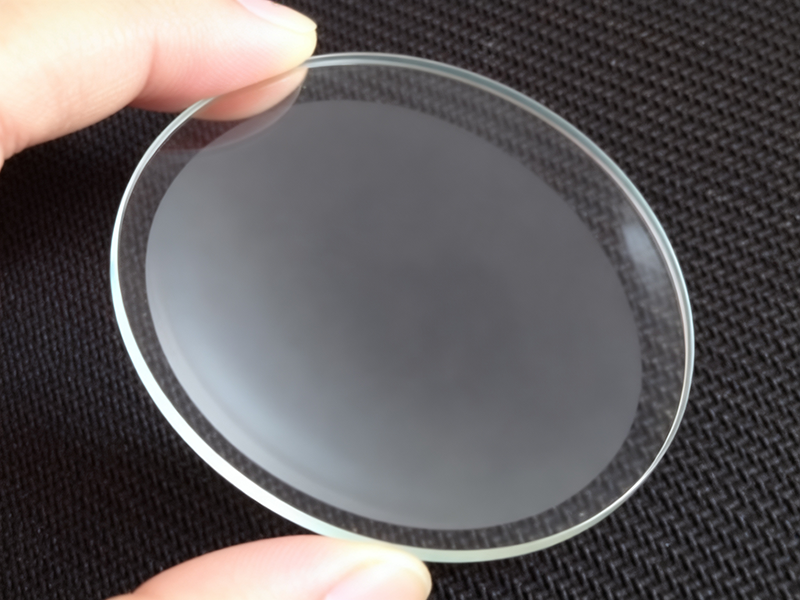
Frosted and diffused glass can reduce direct light transmission while creating a soft and uniform visual effect.
For lighting applications, partially frosted glass can diffuse light and reduce harsh brightness. Intermediate frosted lamp glass is an example of this type of solution, where the surface treatment helps produce a more comfortable and evenly distributed lighting effect.
This technology can also be combined with colored glass, printing, engraving, or other surface treatments to create customized decorative and optical effects.
Color Control and Surface Processing
Color is another important factor in glass optical performance. By combining colored glass, printing, coating, electroplating, frosting, and precision engraving, customized visual effects can be achieved while maintaining controlled optical characteristics.
Examples include white soft-light engraved surfaces, red soft-light engraved surfaces, cobalt-blue observation glass, and other specially colored glass components.
These products can be designed for electronic devices, lighting equipment, industrial instruments, optical equipment, and decorative applications where both appearance and optical performance are important.
Customized Optical Glass Solutions
Our custom glass processing capabilities cover a wide range of optical control requirements. Depending on the application, we can develop different processing combinations to achieve specific transmission, reflection, haze, color, and wavelength characteristics.
Typical customized glass solutions include:
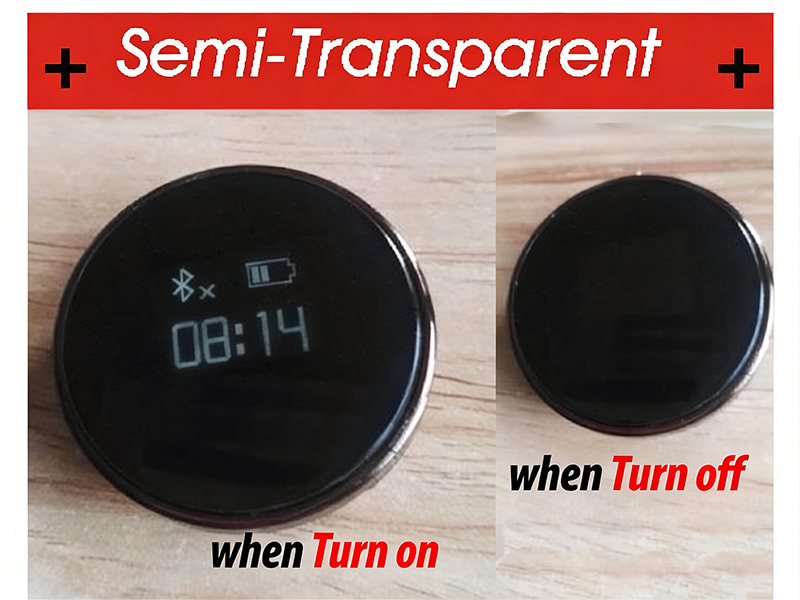
Semi-Transparent Glass
Semi-transparent glass provides controlled light transmission between fully transparent and opaque states. It can be used when the customer requires both light transmission and privacy or visual diffusion.
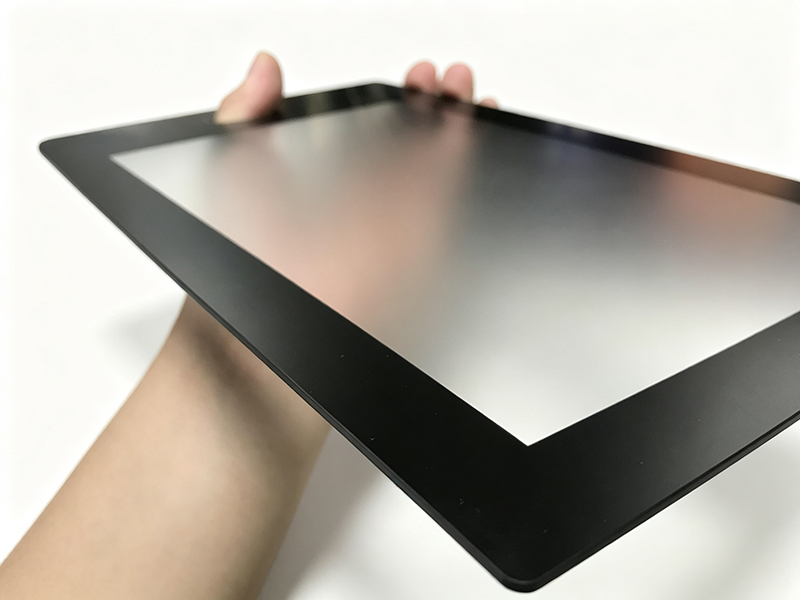
AG E-Book Anti-Glare Glass
AG glass for e-book readers is designed to reduce reflected light and improve readability. The surface treatment can be optimized to provide a comfortable viewing experience while maintaining suitable display clarity.
Intermediate Frosted Lamp Glass
Intermediate frosted glass can be used for lighting products where light diffusion and visual softness are required. The frosting position and surface characteristics can be customized according to the structure of the lamp and desired lighting effect.
Monochromatic Stage Spotlight Glass
For stage lighting and spotlight applications, glass can be processed to provide specific monochromatic optical effects. Optical coatings, color control, and substrate selection can be combined to achieve the required light transmission and color performance.
Engraved Soft-Light Glass
Precision engraving can create a controlled surface structure that produces a soft-light visual effect. White and red versions can be developed according to the customer’s product design and optical requirements.
Cobalt-Blue Observation Glass
Cobalt-blue glass is commonly used for specialized observation and viewing applications. The glass color and optical properties can be controlled according to the intended environment and light source.
Quartz Laser Coated Glass
Quartz glass can be used for demanding laser and optical applications because of its excellent thermal and optical characteristics. Functional coatings can be applied to quartz laser components to achieve specific wavelength transmission or reflection requirements.
IR1000 Glass
IR1000 optical glass is designed for applications requiring infrared optical performance around the 1000 nm wavelength region. Coating design and substrate selection can be optimized according to the required transmission range.
IR850 Facial Recognition Glass
IR850 glass is designed for infrared facial recognition systems operating around the 850 nm wavelength. It can be customized to provide suitable infrared transmission while maintaining the required visible-light appearance.
High-Reflection Glass
High-reflection glass uses specialized optical coatings to increase reflectance within a targeted wavelength range. It can be used in optical instruments, sensors, lighting systems, and other applications requiring controlled reflection.
BP830 nm Optical Glass
BP830 nm glass can be designed for applications requiring specific optical behavior around the 830 nm wavelength. By adjusting the coating structure and optical parameters, customized wavelength-selective performance can be achieved.
Customized Parameters and Processing Solutions
JINXIONG Glass Factory has extensive experience in customized glass processing and can develop suitable optical processing solutions according to different product applications.
Based on the customer’s product structure, functional requirements, operating environment, and optical specifications, we can combine multiple technologies to control critical parameters such as light transmittance, reflectance, haze, color, surface hardness, and optical performance.
Different applications require different combinations of processing technologies. For example, an electronic display may require AG treatment combined with controlled transmittance, while an infrared recognition component may require a specific wavelength transmission range and optical coating. A lighting component may instead require controlled diffusion, color effects, and surface frosting.
By integrating material selection, precision processing, AG treatment, frosting, optical coating, color control, and other surface technologies, we provide customized glass light transmittance solutions for electronic products, optical equipment, lighting systems, sensors, industrial devices, and other precision applications.
Our goal is to help customers achieve stable and controllable optical performance while maintaining the required appearance, mechanical properties, surface quality, and production consistency. Through customized process development and precise parameter control, glass can be transformed from a simple protective component into a functional optical element that contributes directly to the performance and visual quality of the final product.
页面目录
Toggle